
Best Landscape Photography Spots in Colorado National Monument
Location & Landscape
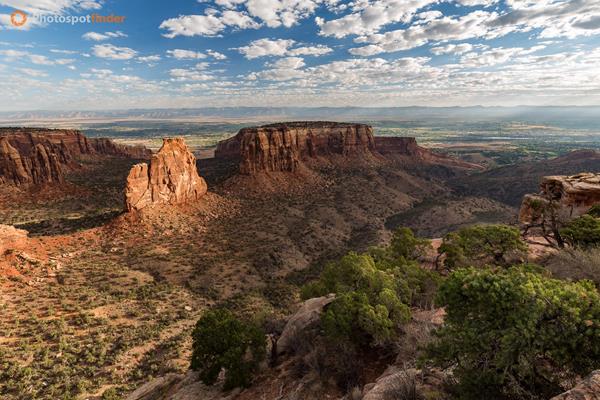
Colorado National Monument covers over 32,500 acres of canyonlands in western Colorado. The landscape is defined by deep sandstone canyons, massive monoliths, desert plains, and mesa tops. The Monument Canyon area and the West and East Rim Trails offer distinct perspectives, providing both elevated viewpoints and intimate rock details.Access is primarily via Rim Rock Drive, which offers multiple pullouts and overlooks. Hiking trails provide closer access to rock formations and canyon edges. Seasonal variations dramatically influence photography: spring wildflowers and crisp morning light, summer sunsets with warm tones, fall color on sparse vegetation, and winter clarity with crisp skies and dramatic shadows. Early morning and late afternoon light is ideal to highlight textures and depth in the rock formations and canyon floors.
Top Photo Opportunities
Monument Canyon Overlook: Offers sweeping views of the canyon floor, sandstone monoliths, and distant mesas. Sunrise or sunset adds warm light and long shadows, accentuating textures and depth.Independence Monument: A towering monolith that is especially striking at sunrise or sunset. Shadows and light interplay across the rock face for dramatic compositions.
Serpents Trail Viewpoints: Views of winding canyon roads and distant monoliths provide leading lines for compositions. Morning light enhances the curves of the trail and surrounding desert terrain.
Palmer Canyon Overlook: Offers panoramic views of deep red canyons, desert vegetation, and layered rock formations. Ideal for wide-angle shots and capturing depth in the landscape.
Window Rock & Coke Ovens: These unique geological features provide distinctive foreground interest. Sunset light highlights textures and shadows in the rock formations.
Rim Rock Drive Pullouts: Multiple overlooks along this scenic road provide dynamic vistas of canyons, mesas, and distant mountains. The golden hour or slightly overcast skies add richness to colors and contrasts.
Photography Considerations
Foreground elements, such as rock formations, desert plants, and canyon edges, help anchor wide-angle compositions. Leading lines from canyon walls, trails, or Rim Rock Drive curves guide the viewer’s eye. Fog is rare, but clouds and storm systems create dramatic skies and contrast.Recommended gear includes wide-angle lenses for panoramic canyon views, telephoto lenses for distant monoliths, and a tripod for sunrise, sunset, or long-exposure shots. Polarizing filters reduce glare and deepen sky colors, while neutral density filters allow smooth exposure for shadows and highlights. Patience is essential for capturing optimal light, particularly during sunrise and sunset. Exploring multiple angles from overlooks, trails, and pullouts maximizes compositional variety.
Visitor Tips & Key Notes
Plan visits for early morning or late afternoon to capture the best light and avoid harsh midday shadows. Rim Rock Drive and hiking trails range from easy access overlooks to moderate trails; wear appropriate footwear and bring water. Seasonal variations provide unique opportunities: spring wildflowers, summer warm tones, fall desert light, and winter crisp skies.Exploring multiple viewpoints along Rim Rock Drive and trails ensures diverse compositions. Revisit the same locations under different lighting or weather conditions to capture new perspectives. Use our interactive map, images, and other resources to plan shoots efficiently. Sharing experiences or insights in our comment section helps other photographers discover new angles and enjoy Colorado National Monument’s dramatic landscapes