Best Landscape Photography Spots in Death Valley National Park, California
Location & Landscape
Death Valley National Park spans more than 3.3 million acres across California and Nevada, encompassing desert basins, salt flats, sand dunes, badlands, and mountain ranges, including the Panamint and Amargosa Mountains. Elevations range from Badwater Basin, the lowest point in North America at 282 feet below sea level, to Telescope Peak at over 11,000 feet.Access is via Highways 190, 127, and 374, with numerous paved roads and dirt tracks leading to iconic viewpoints and trailheads. Seasonal conditions strongly influence photography: spring brings wildflowers and flowing desert streams, summer offers harsh light and extreme heat, fall provides soft light and warm colors, and winter introduces cooler temperatures and occasional snow on mountain peaks. Sunrise and sunset are the best times for dramatic shadows and rich colors across dunes, salt flats, and badlands.
Top Photo Opportunities
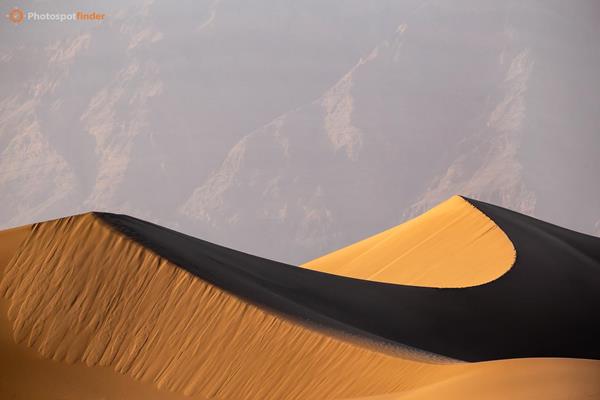
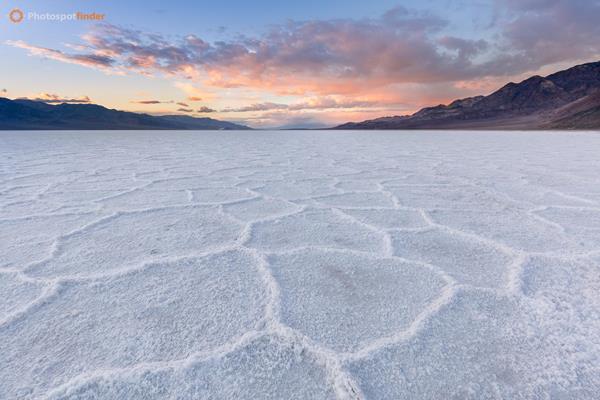
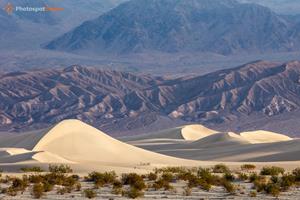
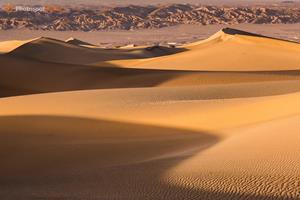
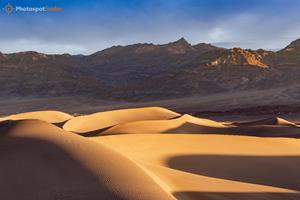
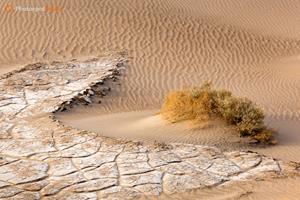
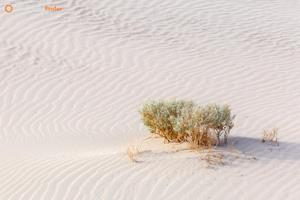
Mesquite Flat Sand Dunes: Classic desert dunes with sweeping ridges and graceful curves that shift with the wind. These dunes are ideal for both minimalist compositions and dramatic wide shots. Sunrise provides soft, golden light and smooth shadows, while sunset creates stronger contrast and texture. Look for undisturbed sand for clean patterns or include sparse vegetation for scale and storytelling. Telephoto lenses can compress layers of dunes, while wide-angle shots emphasize leading lines and depth.Badwater Basin: This vast salt flat marks the lowest elevation in North America and offers striking geometric patterns underfoot. The cracked salt polygons create natural leading lines that draw the eye into the distance. Early morning and late afternoon light bring out subtle textures and shadows across the surface. After rare rainfall, shallow pools can form, producing mirror-like reflections. A wide-angle lens works well here, but don’t overlook close-up shots of salt formations for abstract compositions.
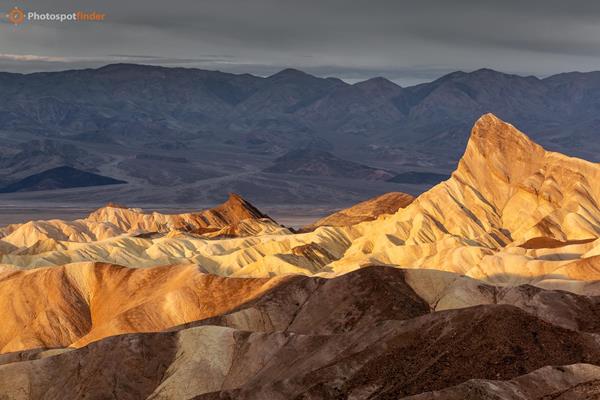
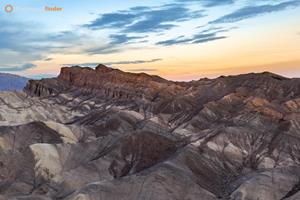
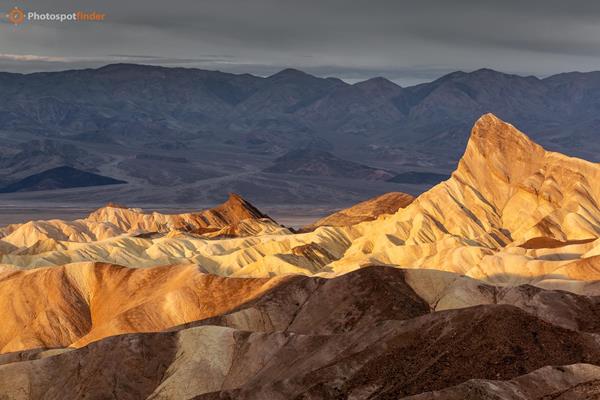
Zabriskie Point: Known for its sweeping panoramic views of eroded badlands, this location showcases layered ridges in soft earth tones. Sunrise is especially rewarding, casting warm light and long shadows that emphasize the terrain’s intricate textures. The overlapping hills create depth and rhythm in compositions. Use a telephoto lens to isolate patterns or a wide-angle to capture the full scene. Arrive early to secure a good vantage point, as this is one of the park’s most popular viewpoints.
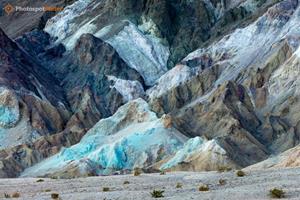
Artist’s Palette: A vibrant hillside painted with natural mineral deposits, displaying hues of red, yellow, green, and purple. The colors are most vivid in late afternoon light when the sun enhances saturation and adds gentle shadowing. Midday light can appear flat, so timing is key. Explore different angles along the drive to find unique compositions. A polarizing filter can help intensify colors, while tighter framing allows you to highlight the abstract, painterly qualities of the landscape.
Dante’s View: Perched high above the valley floor, this overlook provides a sweeping view of Badwater Basin and the surrounding mountain ranges. The elevation offers cooler temperatures and a dramatic perspective. Sunrise and sunset bathe the valley in shifting light, revealing layers of detail and scale. Use a wide-angle lens to capture the vastness, or zoom in on distant peaks for compressed compositions. Clear days provide far-reaching visibility, while atmospheric haze can add mood and depth.
Devil’s Golf Course: A rugged field of jagged salt formations that appear almost otherworldly. The uneven surface creates strong textures and shadows, especially when photographed in low-angle light during morning or late afternoon. This location is perfect for emphasizing harsh desert conditions and abstract patterns. Be cautious when walking, as the terrain is sharp and uneven. Try shooting low to the ground to exaggerate the roughness, or isolate interesting formations for detailed, textural studies.
Racetrack Playa: Famous for its mysterious “sailing stones,” this remote dry lakebed offers a surreal photographic experience. The long tracks behind the rocks create natural leading lines and visual intrigue. Early morning and late afternoon provide the best light, casting long shadows that highlight the movement patterns. After rainfall, the playa can reflect the sky, adding another dimension to compositions. Due to its remoteness, plan carefully and bring appropriate gear for travel and safety.
Golden Canyon & Gower Gulch Trails: These winding canyon trails offer intimate landscapes with towering golden rock walls and sculpted formations. The narrow passages create opportunities for framing and depth, especially in soft morning or late afternoon light. Warm tones glow beautifully when illuminated at low angles. Look for curves, textures, and layered rock patterns for compelling compositions. A mid-range zoom lens works well here, allowing flexibility between wider scenes and tighter details within the canyon.
Desert Wildflower Fields (Spring Only): During years with sufficient rainfall, the desert briefly transforms into a colorful display of blooming wildflowers. These vibrant patches provide excellent foreground interest against dunes, badlands, and distant mountains. Early morning light enhances color saturation and reduces harsh shadows. Use a low perspective to emphasize flowers in the foreground while keeping the landscape in view. Timing is unpredictable, so checking bloom reports in advance increases your chances of capturing this rare spectacle.
Photography Considerations
Foreground elements such as footprints, desert vegetation, or salt patterns help anchor compositions and provide scale. Leading lines can be created by dunes, canyon walls, salt ridges, or playa tracks. Weather can change rapidly; wind shapes dune patterns, while rare rainstorms create reflections and enhance colors. Sunrise and sunset offer the most dynamic light, while moonlit nights allow for long-exposure shots of stars and desert landscapes.Recommended gear includes wide-angle lenses for panoramic desert scenes, telephoto lenses for distant peaks or compressed perspectives, and a tripod for long-exposure or night photography. Polarizing filters reduce glare and enhance sky color, while neutral density filters allow creative long exposures of flowing sand, moving clouds, or reflective water. Patience is essential for capturing optimal light, shadows, and unique atmospheric conditions in this extreme environment.
Visitor Tips & Key Notes
Plan visits during early morning or late afternoon to capture the best light and avoid harsh midday sun. Temperatures can be extreme, especially in summer; bring water, sun protection, and layered clothing. Vehicles can access most main viewpoints, but some trails require hiking boots and preparedness for uneven or rugged terrain. Seasonal conditions provide unique opportunities: spring wildflowers, summer heat haze, fall soft light, and winter snow on mountain peaks.Photographers can explore dunes, salt flats, badlands, and elevated viewpoints for diverse compositions. Revisiting locations under different lighting, wind, or seasonal conditions expands creative possibilities. Use our interactive map, images, and other resources to plan efficient photography sessions. Sharing experiences or insights in our comment section helps other photographers discover new angles and enjoy Death Valley’s extraordinary desert landscapes.