Best Landscape Photography Spots in Elk Mountains, Colorado
Location & Landscape
The Elk Mountains span western Colorado, including parts of Pitkin, Gunnison, and Lake counties. Characterized by jagged 14,000-foot peaks, alpine lakes, dense forests, and rolling meadows, the range offers highly varied photographic opportunities. Maroon Bells is the most photographed site, but other areas provide equally stunning vistas and less crowded trails.Access is primarily via Highway 82, with nearby trailheads and scenic passes such as Independence Pass. Hiking trails range from easy lakeside walks to moderate alpine climbs. Seasonal conditions dramatically affect photography: summer offers wildflowers and clear skies, fall provides golden aspens and warm light, winter delivers snow-covered peaks and frozen lakes, and spring brings waterfalls and melting snow. Early morning and late afternoon light are ideal for capturing reflections, textures, and vibrant colors.
Top Photo Opportunities
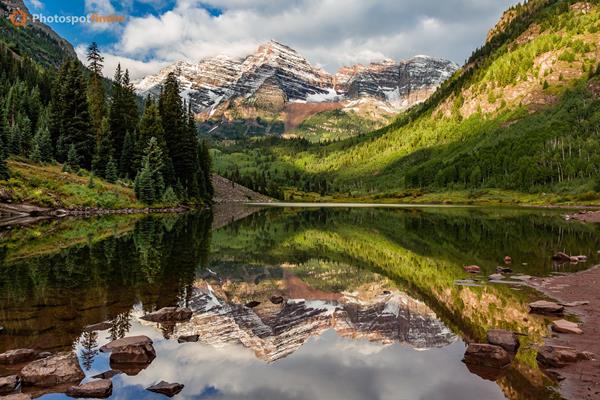
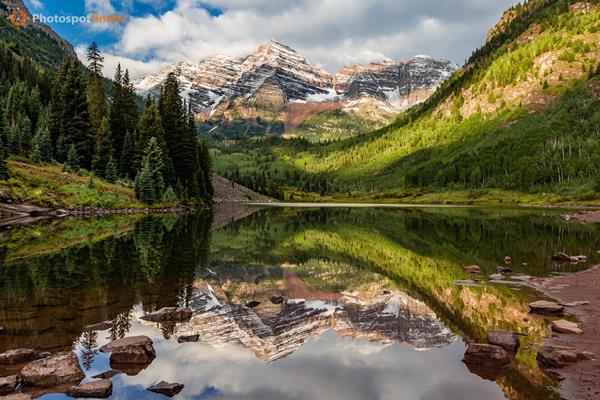
Maroon Bells Scenic Area: The most iconic photography spot in the Elk Mountains, featuring twin peaks reflected in Maroon Lake with wildflowers and meadows in the foreground. Sunrise produces soft light and mirror-like reflections, while fall colors add dramatic seasonal interest.Crater Lake Trail: Offers closer access to Maroon Bells and surrounding alpine meadows. Calm mornings provide reflective lake surfaces and misty compositions.
Independence Pass: Provides sweeping panoramas of jagged peaks, alpine valleys, and distant forests. Sunrise and sunset enhance depth, shadows, and textures.
Castle Creek Valley: Dramatic valley scenes with peaks, meadows, and streams. Ideal during golden hour or with light cloud cover for mood.
Snowmass Lake & East Maroon Creek: High-altitude lakes framed by surrounding peaks offer reflections, foreground interest, and opportunities for long-exposure compositions.
Hanging Lake & Avalanche Lake Trails: Smaller alpine lakes and waterfalls framed by cliffs, providing intimate and detailed compositions in soft morning light.
Photography Considerations
Foreground elements such as alpine lakes, wildflowers, aspen groves, and streams anchor compositions and provide scale. Leading lines can be formed by trails, ridgelines, or rivers. Weather in high-altitude areas changes quickly, creating opportunities for dramatic clouds, fog, or storms. Sunrise and sunset provide the most dynamic lighting, while snow, fall foliage, and wildflowers offer seasonal textures and colors.Recommended gear includes wide-angle lenses for panoramic landscapes, telephoto lenses for distant peaks, and a tripod for low-light or long-exposure shots. Polarizing filters reduce glare and enhance sky and water colors, while neutral density filters help balance bright highlights and shadows. Patience is essential for waiting for optimal light, reflections, or wildlife activity. Exploring multiple angles from lakeshores, ridges, and trail viewpoints maximizes compositional variety.
Visitor Tips & Key Notes
Plan visits during early morning or late afternoon for the best light. Trails range from easy lakeside walks to strenuous alpine hikes; layered clothing, sturdy footwear, and water are essential. Seasonal conditions provide unique photographic opportunities: summer wildflowers, fall aspens, winter snow, and spring meltwater.Photographers can explore scenic highways, alpine lakes, mountain passes, and trail viewpoints for diverse perspectives. Revisiting locations under different lighting, weather, or seasonal conditions enhances variety. Use our interactive map, images, and other resources to plan efficient photography sessions. Sharing experiences or insights in our comment section helps other photographers discover new angles and enjoy the Elk Mountains’ dramatic landscapes.