Best Landscape Photography Spots in Great Smoky Mountain National Park
Location & Landscape
Great Smoky Mountains National Park was established in 1934 and spans more than 500,000 acres of protected forests, mountains, valleys, and rivers. It includes part of the Appalachian Mountains, known for rolling ridges, misty peaks, and a variety of ecological zones. Elevations in the park range from about 875 feet in the foothills to 6,643 feet at Clingmans Dome, creating a wide range of scenic views. Visitors can explore dense hardwood forests, old-growth trees, waterfalls, and river valleys, making the park a great place for landscape photography.How easy it is to get around depends on where you go. Paved roads like Newfound Gap Road take you to popular overlooks, while trails such as Alum Cave, Laurel Falls, and Abrams Falls offer scenic hikes with plenty of photo spots. Deep Creek Valley has accessible overlooks and Creekside trails, so you can enjoy both high views and close-up water scenes. The weather changes with the seasons and can really affect your photos. Early-morning fog and mist make for dreamy shots; autumn brings bright leaves; and winter covers the peaks in snow. In summer and spring, you’ll find lots of greenery and wildflowers. The best times to visit are sunrise and sunset for soft light, but mid-morning can also give you dramatic shadows on the ridges. Be sure to plan for walking distances, trail difficulty, and possible closures because of weather or wildlife.
Top Photo Opportunities
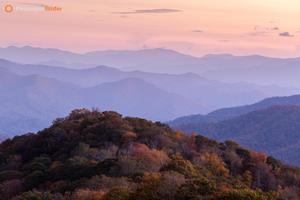
Clingmans Dome Observation Tower: Standing at the highest point in the park, Clingmans Dome offers panoramic 360-degree views over layered mountain ridges. Sunrise and sunset light enhance depth and atmospheric perspective, while early morning mist adds mood. The short paved trail to the tower makes it accessible while providing multiple angles for wide vistas.Cades Cove Loop: This historic valley is surrounded by mountains and offers a blend of pastoral landscapes, dense forests, and wildlife sightings. The 11-mile one-way loop road offers numerous pull-offs ideal for photographing sunrise through morning fog or for capturing wildlife against backdropped ridges. Early morning is optimal for soft lighting and reduced visitor traffic.
Laurel Falls Trail: A gentle 2.6-mile round-trip hike leads to one of the park’s most photographed waterfalls. The falls’ cascading flow framed by forest foliage works well for long-exposure shots, particularly after rainfall when water volume is higher. Morning light filtering through the trees adds warmth and texture.
Roaring Fork Motor Nature Trail: This one-way scenic drive winds past historic cabins, rushing streams, and waterfalls. The mix of forested slopes and clearings allows photographers to capture both intimate natural details and broader landscape compositions. Fall colors and early spring blooms provide additional visual interest.
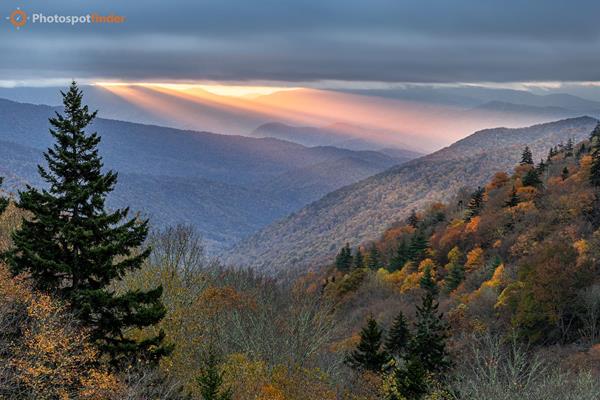
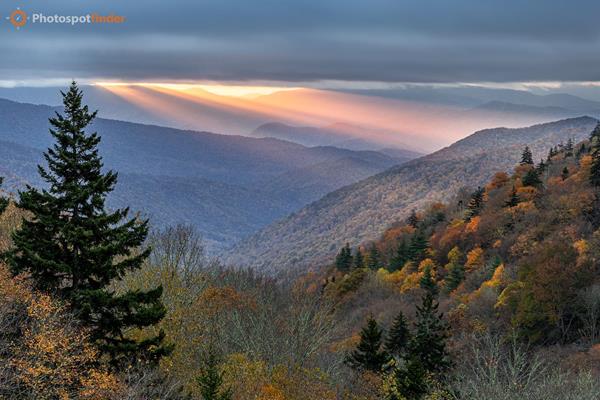
Newfound Gap Overlook: A roadside viewpoint offering sweeping vistas of the surrounding peaks and valleys. The vantage point is particularly dramatic at sunrise or when clouds and fog fill the valleys below. Layers of ridges receding into the distance make for classic Smoky Mountains landscape shots.
Deep Creek Valley Overlook: Overlooking the Deep Creek area, this viewpoint offers a serene panorama of forested valleys and gently flowing streams. The overlook is especially beautiful in autumn when the valley is a mosaic of reds, oranges, and yellows. Early-morning fog adds an ethereal quality, and the nearby trails offer opportunities to combine elevated vistas with intimate creek scenes.
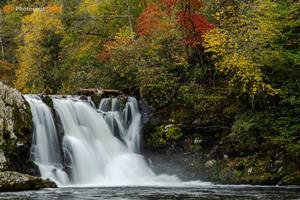
Abrams Falls: Located within the Cades Cove area, Abrams Falls is one of the park’s most powerful and photogenic waterfalls. The 5-mile round-trip hike offers lush forest surroundings and opportunities for long-exposure photography to capture the water’s motion. The falls’ wide, rushing cascade framed by moss-covered rocks creates a dynamic foreground for landscape compositions, particularly on overcast days when the lighting is soft and even.
Photography Considerations
When photographing the Smoky Mountains, pay close attention to composition. Try adding foreground elements like rocks, trees, flowers, or the edge of a creek to give your wide shots more depth. Use leading lines, such as trails, streams, or the direction of a waterfall, to draw the viewer’s eye into your photo. Reflections in rivers, ponds, or pools can create symmetry and make your images more interesting. Since the weather can change quickly, use mist, clouds, or rain to add mood to your pictures.Bring a wide-angle lens for sweeping views, a telephoto for distant peaks or wildlife, and a tripod if you want to take long exposures at waterfalls or in low light. Neutral density filters help capture the movement of water. Try shooting from different angles, heights, and with various framing to show off the park’s ridges and streams. Panoramas are great for showing the size of the mountains, and the light is softest early in the morning or late in the afternoon. Be patient, since the light and weather, especially near Deep Creek and Abrams Falls, can change quickly and completely transform your photos.
Visitor Tips & Key Notes
Try to visit around sunrise or sunset for the best light and fewer crowds. Wear layers because temperatures can change a lot as you go higher. Some trails, like Laurel Falls and Abrams Falls, are easy to moderate, so check their difficulty and accessibility before you go. Each season shows a different side of the park, from spring wildflowers to autumn leaves and winter snow, giving you plenty of chances for great photos.Try exploring different viewpoints and visiting the same places at different times to capture a variety of photos. Deep Creek Valley and Abrams Falls are great spots for photographing both wide views and close-up shots of creeks or waterfalls. Interactive maps and other resources can help you find hidden spots and stay safe. Be patient, since wildlife and changing weather can lead to unexpected photo moments. If you share your tips or experiences, you can help other photographers plan their trips and strengthen the community.