Best Landscape Photography Spots in Pictured Rocks National Lakeshore
Location & Landscape
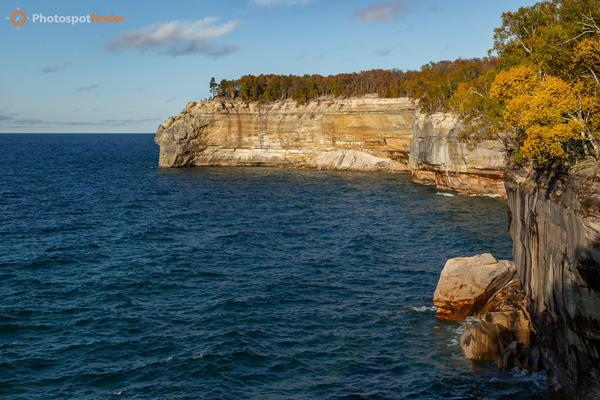
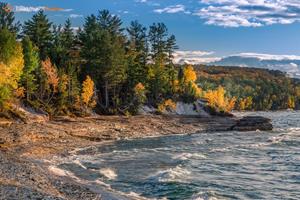
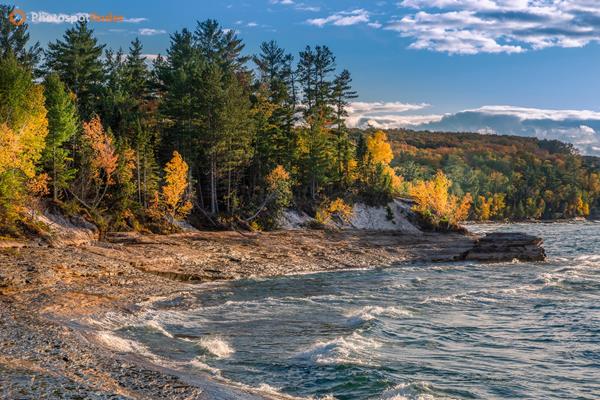
Pictured Rocks National Lakeshore was established in 1966 and covers over 73,000 acres of forested terrain, cliffs, beaches, and inland lakes along Lake Superior. The park’s signature feature is its series of multicolored sandstone cliffs, reaching up to 200 feet high, sculpted by centuries of wind, rain, and wave action. Inland areas include rivers, waterfalls, and dense hardwood forests, while the shoreline features sandy beaches, rocky coves, and isolated sea caves.Access to photography locations is via a combination of scenic drives, hiking trails, and boat tours. Roads such as H-58 provide access to overlooks and trailheads, while the Chapel Basin and Miner’s Castle areas are reachable by short hikes. Seasonal variations dramatically alter lighting and scenery: summer provides clear skies and vibrant cliff colors, fall brings rich foliage, and winter offers ice formations and reflective water surfaces. Ideal photography times are early morning or late afternoon, when sunlight accentuates the textures and colors of the cliffs, waterfalls, and shoreline.
Top Photo Opportunities
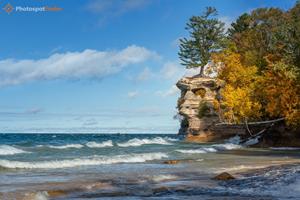
Miner’s Castle Overlook: One of the park’s most iconic cliff formations, Miner’s Castle provides dramatic views of multicolored sandstone cliffs meeting Lake Superior. The overlook offers sweeping panoramas ideal for sunrise or late afternoon light, capturing the cliffs’ rich textures and shadows.Chapel Beach and Chapel Rock: This area features striking sandstone formations along a sandy beach, with clear water reflecting the cliffs. Early morning or overcast conditions enhance color saturation and reduce harsh shadows, ideal for both wide-angle and detailed shots.
Au Sable Lighthouse: Set against Lake Superior’s expansive waters, this historic lighthouse provides a classic compositional element, framed by surrounding cliffs and shoreline. Sunset light casts warm tones, and long exposures can capture smooth water surfaces and subtle cloud motion.
Munising Falls: A short, accessible hike leads to this 50-foot waterfall, surrounded by lush forest. Long-exposure techniques highlight water movement, while morning light filtering through the trees creates soft, dynamic illumination.
Grand Sable Dunes: Expansive sand dunes rising from forested hills offer unique foregrounds for panoramic landscapes. The dunes’ textures and patterns are enhanced during early morning or late afternoon, with shadows emphasizing contours and scale.
Photography Considerations
When photographing Pictured Rocks, foreground interest such as rock textures, driftwood, or dunes can anchor wide-angle compositions. Leading lines created by shoreline curves, waterfalls, or cliff edges guide the viewer’s eye through the frame. Reflections in calm lake waters provide opportunities for symmetrical images, while moving clouds or waves can add dynamic motion.Recommended gear includes wide-angle lenses for cliffs and dunes, telephoto lenses for distant formations, and tripods for long exposures, particularly at waterfalls or low-light conditions. Neutral density and polarizing filters help manage reflections and enhance colors. Patience is key, as changing light, fog, and seasonal variations dramatically affect cliff colors and shadows. Explore multiple angles from both trail and water perspectives to capture the diverse visual character of the lakeshore.
Visitor Tips & Key Notes
Plan visits during early morning or late afternoon for optimal lighting and minimal crowds. Dress in layers, as Lake Superior can produce strong winds and sudden temperature changes. Access trails and overlooks vary in difficulty, so check trail conditions and distances before hiking. Seasonal visits reveal distinct visual elements: vibrant summer cliffs, golden autumn foliage, and winter ice formations along waterfalls and shoreline.Consider combining land-based viewpoints with boat tours for unique angles on cliffs and sea caves. Revisiting key locations under different weather or light conditions can yield dramatically different photographs. Use park maps, resources, and interactive guides to plan shooting locations efficiently. Sharing experiences and comments can help other photographers explore this visually rich and dynamic landscape.