Best Landscape Photography Spots in Point Arena-Stornetta, California
Location & Landscape
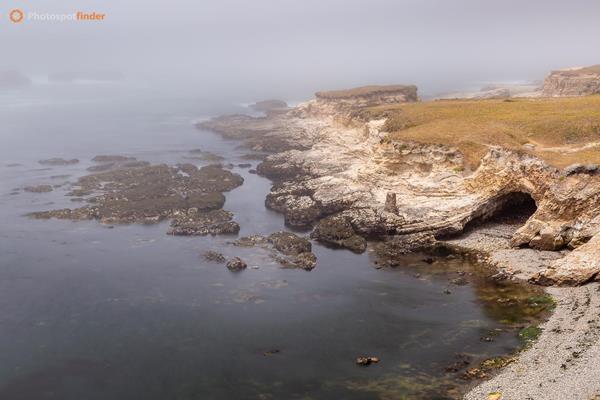
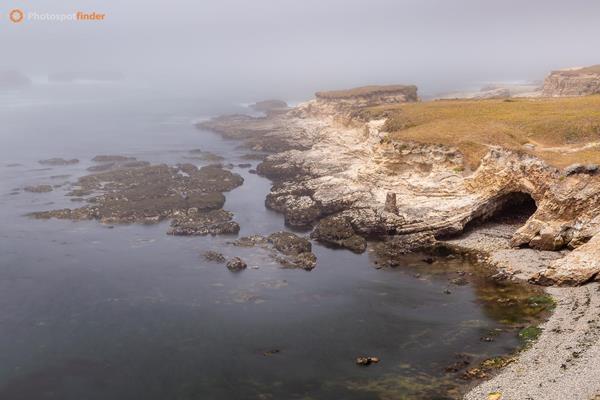
Point Arena-Stornetta Coastal Reserve spans over 2,000 acres of protected coastal land in Mendocino County, California, just north of the small town of Point Arena. The landscape features steep coastal cliffs, tidal rock formations, offshore sea stacks, beaches, and gentle grassy bluffs. Inland areas include coastal prairie and native vegetation that transitions into the rugged cliffs and oceanfront.The reserve is accessible via short trails leading to cliff-top viewpoints, beach access points, and scenic overlooks near the lighthouse. Seasonal weather greatly influences photography: winter storms create dramatic waves and clouds, spring brings blooming wildflowers along the bluffs, and summer provides clear skies with warm light. Sunrise and sunset offer optimal lighting conditions, casting long shadows on cliffs and highlighting textures in rock and surf. Trails are short but may include uneven or steep sections, so careful footwear and attention to safety are recommended. Photographers can experiment with low angles on beaches, high cliff perspectives, and distant compositions including offshore rock formations and lighthouse structures.
Top Photo Opportunities
Point Arena Lighthouse Overlook: This historic lighthouse is framed against sweeping ocean vistas and rugged cliffs. Sunrise or sunset casts warm light on the lighthouse and surrounding rocks, while long exposures smooth the ocean for dramatic effect.Bluff Trails: Trails along the coastal bluffs provide panoramic views of the ocean, tidal rock formations, and surf patterns. Early morning fog adds mood, while late afternoon sun highlights cliff textures and coastal grasses, offering dynamic compositions.
Offshore Sea Stacks: Visible from both bluff trails and beach areas, these rock formations provide compelling focal points. Low tide reveals more foreground rocks, ideal for leading lines, while stormy seas add motion and drama to compositions.
Beach Access Points: Secluded beaches allow photographers to capture tidal pools, driftwood, and reflections in shallow water. Sunset light enhances colors, and overcast skies can create evenly lit, moody seascapes.
Stornetta Bluff Overlook: A quieter section of the reserve offering expansive views of the northern coastline, rocky outcrops, and distant horizons. Ideal for panoramic shots and compositions incorporating both cliffs and ocean, particularly in soft morning light.
Photography Considerations
Foreground interest is essential for dynamic coastal compositions, including grasses, driftwood, rocks, and tidal pools. Leading lines formed by bluff edges, rock formations, or surf patterns guide the viewer’s eye through the frame. Weather and fog can create dramatic atmospheres, while calm seas offer opportunities for reflective surfaces.Recommended gear includes wide-angle lenses for panoramic cliff and ocean shots, telephoto lenses for distant sea stacks or wildlife, and a tripod for long exposures in low light or at tidal pools. Neutral density and polarizing filters help manage reflections and enhance colors in ocean water and vegetation. Patience is key for capturing optimal surf, lighting, and cloud conditions. Exploring multiple angles from bluffs, beach access points, and lighthouse areas allows photographers to maximize composition variety and seasonal diversity.
Visitor Tips & Key Notes
Plan visits during early morning or late afternoon for the best lighting and minimal visitor interference. Trails are generally short but may be steep or uneven; proper footwear is recommended. Seasonal variations reveal different photographic opportunities: wildflowers in spring, clear coastal skies in summer, and dramatic waves during winter storms.Exploring both bluff trails and beach access points allows photographers to capture varied perspectives, while revisiting spots under different weather and tide conditions enhances image diversity. Photographers can use our interactive map, images, and other resources to plan shooting locations efficiently. Sharing observations or tips in our comment section helps other photographers discover new perspectives and enjoy the coastal reserve’s scenic beauty.