Best Wildlife Photography Spots in Glacier National Park, Montana
Location & Landscape
Glacier National Park lies along Montana’s northern border and is defined by rugged mountains, glacial valleys, alpine tundra, and subalpine forests. Elevation changes quickly, creating distinct wildlife zones within short distances. The Going-to-the-Sun Road crosses the Continental Divide and links several major habitats where animals move between valleys and high meadows. Many Glacier Valley concentrates water, vegetation, and travel corridors that attract large mammals. Two Medicine features open grasslands and lakes that support grazing and nesting species.Summers bring wildlife to higher elevations as snow melts, while spring and fall concentrate animals in lower valleys. Early morning and evening are most productive. Wildlife photography access is largely roadside, with pullouts, trailheads, and overlooks providing clear sightlines into feeding and travel areas.
Top Wildlife Photo Opportunities
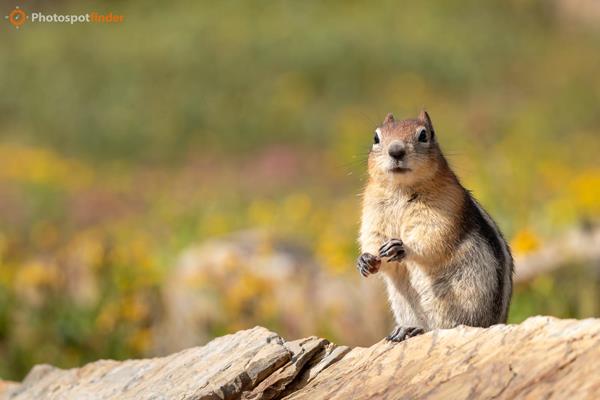
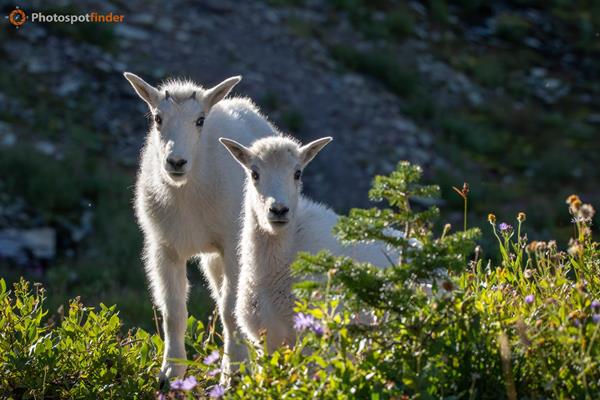
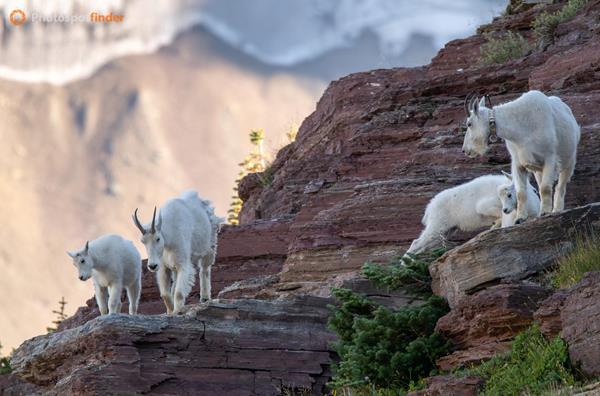
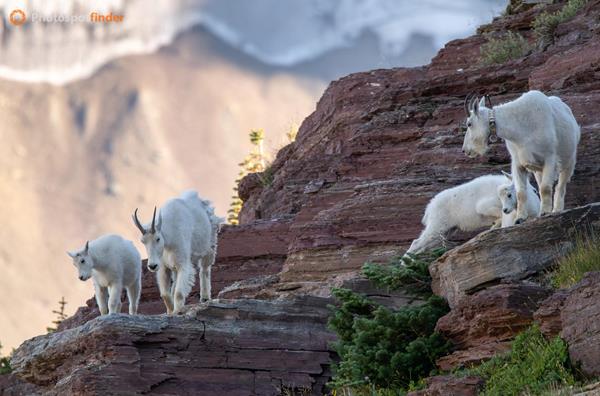
Logan Pass – Highline Trail and Hidden Lake Overlook: Logan Pass sits above treeline and supports alpine tundra that attracts mountain goats, bighorn sheep, and marmots. Snowmelt exposes vegetation in early summer, drawing animals close to trails. Morning light provides even illumination across open slopes. Photographers work from trail edges and overlooks, capturing grazing behavior, interactions, and movement across rocky terrain.Going-to-the-Sun Road – St. Mary Lake Pullouts: The eastern side of St. Mary Lake features open slopes and lake shoreline that attract grizzly bears, black bears, moose, and deer. Bears often forage on vegetation near the road in spring and early summer. Early morning and late afternoon light angle across the valley. Photographers shoot from designated pullouts, using long lenses to capture feeding and travel behavior with mountain backdrops.
Many Glacier Valley – Swiftcurrent Lake and Grinnell Road Corridor: This valley funnels wildlife movement between forest, meadow, and water sources. Moose, bears, and raptors are frequently photographed along the Swiftcurrent Lake shoreline and adjacent road. Calm mornings provide reflections and soft light. Photographers position along roadside edges and lake access points, focusing on feeding, wading, and interaction behavior.
Two Medicine Valley – Running Eagle Falls Trail Area: Open meadows and mixed forest near Running Eagle Falls attract deer, foxes, and black bears during early and late season. Spring green-up concentrates feeding activity. Photographers work from trail margins and meadow edges, capturing animals moving between cover and open ground. Light is best in early morning when shadows remain soft.
Across Glacier, aligning light, elevation, and seasonal movement patterns consistently improves wildlife encounters.
Photography Considerations
Strong wildlife compositions in Glacier often include scale, using mountains and open valleys to place animals in context. Background control improves by shooting slightly uphill or downhill rather than across cluttered forest. Early morning provides calmer conditions, active animals, and directional light, while overcast days help manage contrast in alpine environments.Telephoto lenses between 400–600mm are ideal for roadside wildlife encounters. Tripods are useful at pullouts but less practical on narrow trails. Fast shutter speeds are necessary for moving animals and birds in flight. Continuous autofocus and burst shooting help capture brief behavioral moments, especially when animals cross open terrain.