Best Wildlife Photography Spots in Southern Florida
Location & Landscape
Southern Florida’s landscape is dominated by low-elevation wetlands, sawgrass prairies, slow-moving rivers, hardwood hammocks, and coastal mangrove systems. Everglades National Park forms the ecological center, where freshwater sloughs and shallow marshes channel wildlife along levees and canals. Big Cypress National Preserve adds cypress domes and seasonally flooded prairies that support mammals and nesting birds. Coastal estuaries near Florida Bay provide feeding areas for wading birds and marine species.The dry season from November through April lowers water levels and concentrates wildlife along exposed edges, making animals easier to locate and photograph. During the wet season, wildlife disperses but breeding activity increases. Access is straightforward, with paved park roads, levee trails, boardwalks, and observation platforms offering stable shooting positions.
Top Wildlife Photo Opportunities
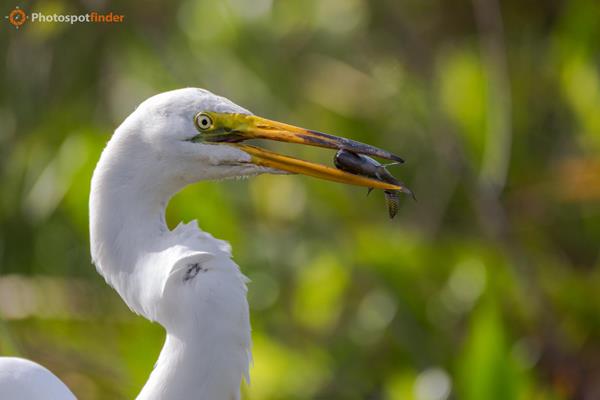
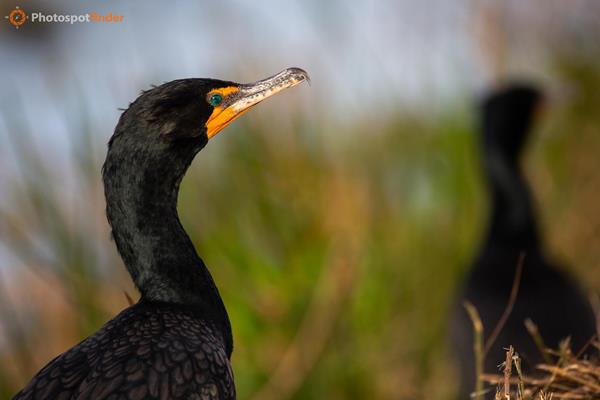
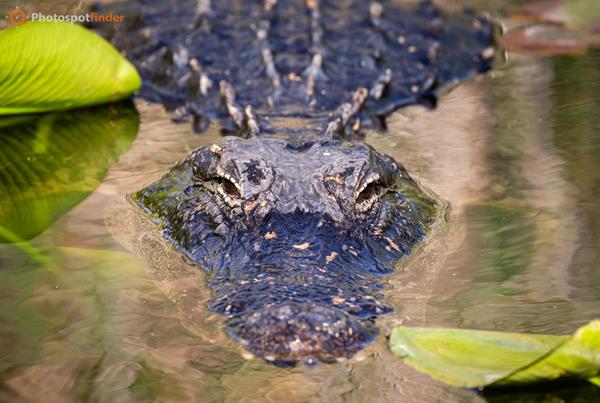
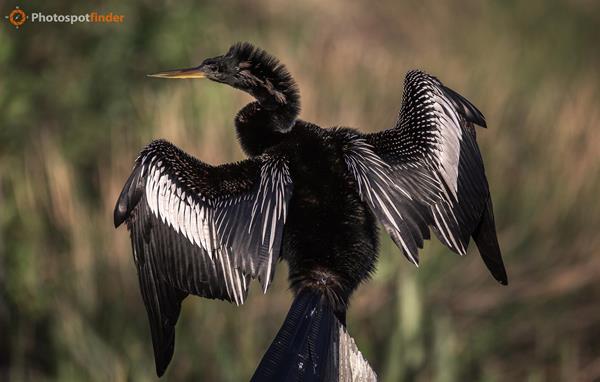
Shark Valley – Tram Road and Observation Tower: The paved Tram Road loop runs alongside canals and open marsh that attract American alligators, herons, egrets, limpkins, and anhingas. During the dry season, wildlife gathers along canal edges where prey is concentrated. Early morning light produces clean reflections and soft side lighting. Photographers shoot from the road edge or pullouts, capturing basking alligators, feeding birds, and courtship behavior. The observation tower offers elevated views for wide environmental compositions.Anhinga Trail – Royal Palm Area, Everglades National Park: This short boardwalk crosses shallow open water where fish are trapped during low water periods. Anhingas, turtles, herons, and alligators are frequently photographed at close range. Year-round access makes it reliable, with peak activity in winter and early spring. Photographers work from fixed boardwalk positions for eye-level images of birds fishing, wing-drying, and interacting near nesting platforms.
Corkscrew Swamp Sanctuary – Boardwalk Loop: The elevated boardwalk passes through cypress forest and seasonal wetlands that attract barred owls, wood storks, river otters, and wading birds. Standing water beneath the boardwalk creates predictable movement corridors. Winter offers the best visibility and light penetration. Photographers position at boardwalk openings to capture roosting, hunting, and nesting behavior under diffused forest light.
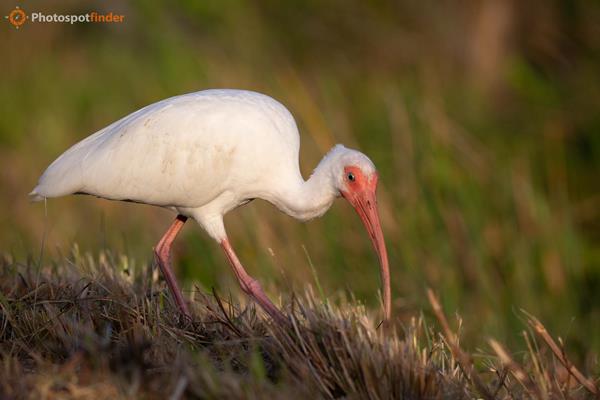
Big Cypress National Preserve – Turner River Road: Turner River Road follows canals and wet prairie that concentrate wildlife during the dry season. Roseate spoonbills, raptors, herons, and alligators are frequently visible near roadside water. Late afternoon light highlights grasses and water textures. Photographers shoot from roadside pullouts, focusing on feeding birds, basking reptiles, and mammals moving between cover.
Across all locations, success depends on aligning water levels, light direction, and animal movement patterns with patient observation.
Photography Considerations
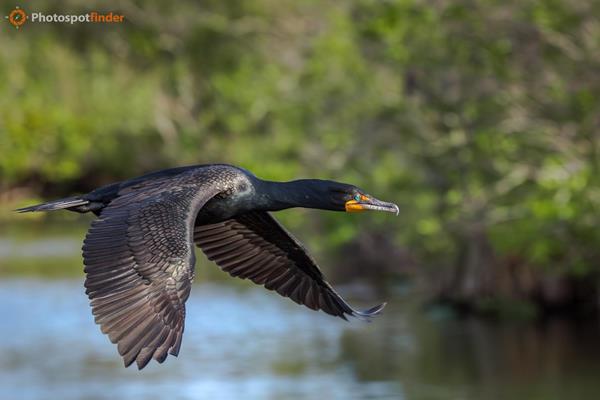
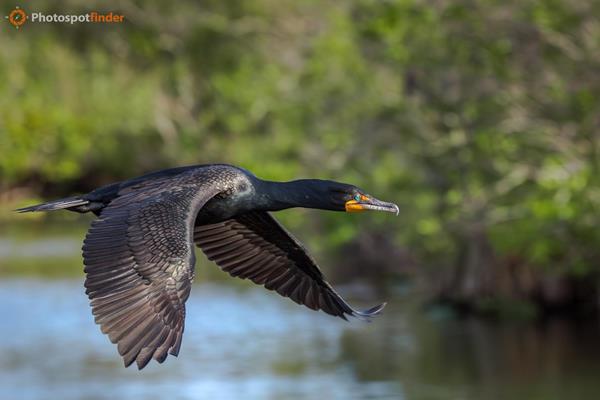
Wildlife in Southern Florida is closely tied to water depth and vegetation, making background control essential. Shooting from low angles near water produces clean backgrounds and eye-level perspectives. Early morning provides calmer air and higher animal activity, while overcast conditions help manage contrast in open marsh environments.Telephoto lenses in the 300–600mm range cover most situations, with shorter focal lengths useful along boardwalks. Handheld shooting or monopods are often more practical than tripods in narrow areas. Fast shutter speeds are recommended for birds in flight and sudden reptile movement. Continuous autofocus and burst shooting improve results during feeding and interaction sequences.